Digital Wallets Transforming Personal Finance 2026
just now
44.99 MB
V 3.0.3
Android 6+
7k

Description
Earnings | Finance
By Admin
Updated On: February 27, 2026
Digital Wallets Transforming have quietly evolved from simple payment tools into full financial command centers. What started as a faster way to pay at checkout has now become a central hub for managing income, savings, investments, identity, and even government-backed digital currencies.
In 2026, digital wallets are not just convenient—they’re redefining personal finance.
From instant peer-to-peer payments to AI-driven budgeting insights and biometric security, these platforms are changing how individuals interact with money on a daily basis. The transformation is not gradual anymore—it’s structural.
Let’s explore how digital wallets are reshaping finance and why they’re becoming the default gateway to global payments.
What Are Digital Wallets Transforming and How Do They Work?
A digital wallet (also called an e-wallet or mobile wallet) is a software application that securely stores your payment details, identity credentials, and financial information on a smartphone, tablet, smartwatch, or connected device.
Instead of carrying:
- Physical credit cards
- Debit cards
- Cash
- Loyalty cards
- IDs
You simply tap, scan, or authenticate a payment within seconds.
But in 2026, digital wallets are far more than digital versions of physical wallets. Digital Wallets Transforming They have evolved into financial ecosystems that integrate:
- Payments
- Savings tools
- Investment access
- Identity verification
- Government digital currencies
- Cross-border transfers
All within one unified interface.
The Technology Powering Modern Digital Wallets
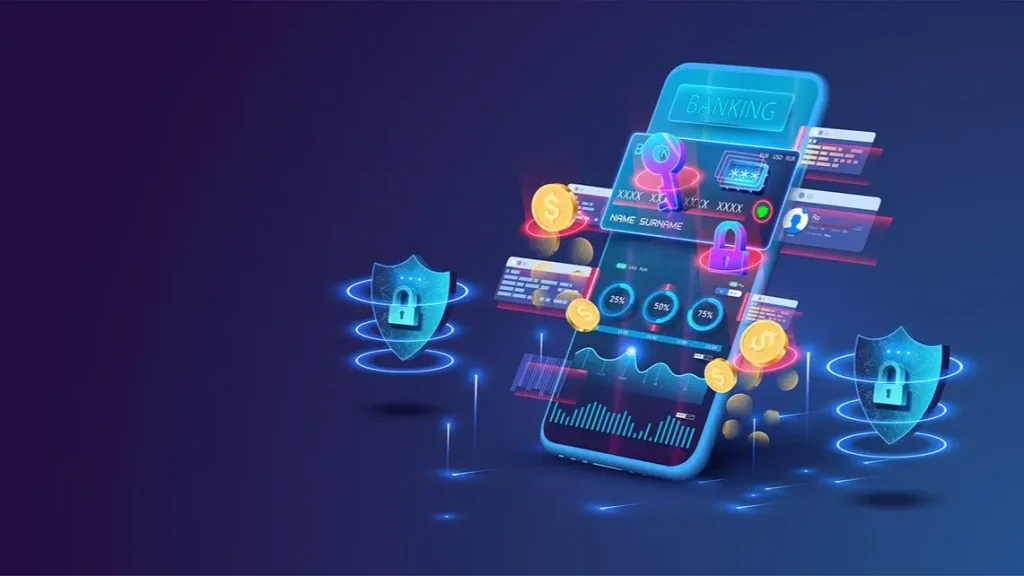
Digital wallets rely on several advanced Digital Wallets Transforming technologies working together:
Tokenization
Your real card number is never shared during transactions. Instead, it’s replaced with a temporary encrypted token. Even if intercepted, the Digital Wallets Transforming token is useless to attackers.
Biometric Authentication
Modern wallets use:
- Facial recognition
- Fingerprint scanning
- Palm vein recognition
- Voice verification
This multi-layer biometric security makes unauthorized Digital Wallets Transforming access significantly more difficult than traditional passwords.
NFC (Near-Field Communication)
NFC enables tap-to-pay functionality at supported terminals. Digital Wallets Transforming It allows secure short-range data transfer between your device and payment terminal.
End-to-End Encryption
All transaction data is encrypted during transmission and storage.
Machine Learning Fraud Monitoring
AI monitors transactions in real time, identifying suspicious Digital Wallets Transforming activity within milliseconds.
This convergence of technology and regulation has Digital Wallets Transforming turned digital wallets into what experts call the “default front door to global payments.”
Why Digital Wallets Are Dominating in 2026
By the end of 2025, global non-cash transactions Digital Wallets Transforming surpassed 1.7 trillion. Digital wallets now represent the fastest-growing segment of that ecosystem.
Several factors are driving adoption:
- Smartphone penetration above 80% globally
- Growth in remote work and online commerce
- Rising cross-border payments
- Demand for instant settlement
- Increased trust in biometric security
Digital wallets are no longer optional they are becoming essential.
Key Features and Benefits of Digital Wallets in 2026
1. Instant Multi-Method Payments
Modern wallets allow seamless switching between:
- Credit cards
- Debit cards
- Bank transfers
- Digital currencies
You’re never locked into one funding source. This flexibility reduces failed transactions and improves control over cash flow.
2. AI-Powered Financial Insights
Digital wallets now act as financial advisors.
AI analyzes:
- Spending patterns
- Recurring expenses
- Income trends
- Cash flow risks
Instead of simply showing transactions, wallets suggest:
- Budget adjustments
- Savings opportunities
- Subscription cancellations
- Spending forecasts
This predictive capability transforms wallets from reactive tools into Digital Wallets Transforming proactive financial assistants.
3. Cross-Border Payments Made Simple
International transfers through traditional banks often take 2–5 days and include high fees.
Digital wallets offer:
- Real-time transfers
- Multi-currency accounts
- Lower foreign exchange fees
- Transparent conversion rates
For freelancers, remote workers, and global businesses, this is game-changing.
4. Integrated Financial Services (Embedded Finance)
Open banking integration enables wallets to connect with:
- Investment platforms
- Lending services
- Insurance providers
- Savings accounts
This embedded finance model eliminates friction between services.
Instead of opening five different apps, you operate from one unified dashboard.
5. Loyalty Programs and Rewards Optimization
Digital wallets now:
- Store loyalty cards
- Track reward points
- Suggest nearby discounts
- Automatically apply eligible offers
AI ensures you maximize benefits without manually searching for promotions.
6. Financial Inclusion
Millions of unbanked individuals globally can access digital wallets without traditional bank accounts.
Wallets enable:
- Salary deposits
- Government benefit transfers
- Peer-to-peer payments
- Micro-savings
This democratizes financial participation.
Digital Wallets vs Traditional Banking Methods
| Feature | Digital Wallets | Traditional Banks | Credit Cards | Physical Cash |
|---|---|---|---|---|
| Speed | Instant | 1–3 days | 1–3 days | Immediate |
| Security | Multi-biometric | Password-based | Theft risk | Lost/stolen |
| Convenience | 24/7 global | Branch hours | Requires card | Limited |
| Fees | Often lower | Transfer fees | Interest charges | None |
| Analytics | Real-time | Monthly | Limited | None |
| Cross-border | Strong | Restricted | Varies | Currency issues |
The difference isn’t just speed — it’s intelligence.
Wallets combine:
- Instant payments
- Security
- AI insights
- Global access
In one system.
Pros and Cons of Using Digital Wallets
Advantages
- Tap-and-go convenience
- Real-time financial visibility
- Advanced biometric protection
- Lower transaction fees
- Multi-service integration
- Instant global transfers
- Simplified identity verification
Limitations
- Device dependency
- Privacy concerns
- Merchant acceptance gaps
- Network outage risks
- Regulatory changes
- Data breach possibility
For most users in 2026, the advantages clearly outweigh the limitations.
Latest Digital Wallet Innovations in 2026
Gen AI Financial Assistants
Conversational AI assistants are now embedded inside wallets.
You can ask:
- “Why did my spending increase this month?”
- “Create a savings plan for $5,000.”
- “How much did I spend on food last quarter?”
The wallet responds with natural explanations and actionable recommendations.
Central Bank Digital Currencies (CBDCs)
Governments are introducing digital versions of national currencies. Many wallets now integrate these alongside traditional funds.
CBDCs offer:
- Faster settlements
- Government backing
- Reduced remittance costs
Eid (Electronic Identity) Integration
Digital identity wallets are expanding globally, allowing citizens to store:
- Passports
- Driver’s licenses
- Tax IDs
- Verified credentials
This strengthens digital trust across public and private sectors.
Offline Payments
Advanced wallets now allow offline transaction storage, syncing automatically when connectivity returns.
This is crucial for rural and developing markets.
Real-Time Fraud Prevention
Machine learning systems analyze transactions microsecond-by-microsecond.
Suspicious activity triggers instant verification rather than delayed alerts.
The Rise of Super Wallet Ecosystems
Inspired by Asian super apps, Western markets are adopting integrated ecosystems.
Modern wallets now combine:
- Shopping
- Ride-sharing
- Food delivery
- Insurance
- Travel booking
All linked to one payment infrastructure.
This increases engagement and platform loyalty.
Security Deep Dive: Why Wallets Are Safer Than Ever
Security improvements include:
- Multi-biometric authentication
- Hardware-level encryption chips
- Transaction-level tokenization
- AI anomaly detection
- Remote device deactivation
Unlike physical cards, digital wallets cannot be easily cloned.
A lost phone is significantly harder to exploit than a lost credit card.
How Digital Wallets Influence Financial Behavior
The biggest shift is behavioral.
Because users see real-time analytics, they:
- Spend more consciously
- Track subscriptions
- Save automatically
- Adjust habits faster
Visibility changes decisions.
And decisions change financial outcomes.
Tips to Maximize Your Digital Wallet in 2026
1. Choose Based on Ecosystem
If you use Apple devices, Apple Pay integrates seamlessly.
Android users benefit from Google Pay.
Platform-neutral users may prefer PayPal or Cash App.
2. Activate Full Security
Enable biometric authentication and transaction alerts.
3. Link Multiple Funding Sources
Maintain redundancy with backup payment methods.
4. Use Round-Up Savings
Micro-savings accumulate faster than expected.
5. Monitor AI Insights Weekly
Treat your wallet as a financial advisor.
FAQs
Are digital wallets safer than credit cards?
Yes. Encryption and biometrics provide stronger protection than magnetic stripe cards.
What if my phone is stolen?
Your funds remain secure. Disable device access remotely and log in on a new device.
Do I need multiple wallets?
Not required, but having a backup can improve merchant acceptance.
Can I use one without a bank account?
Yes. Many wallets support alternative funding options.
Do wallets support cryptocurrency
Increasingly yes. Many support stable coins and digital assets alongside traditional currency.
What about privacy?
Data remains within your account unless shared. Always review provider policies.
The Economic Impact of Digital Wallet Expansion
Digital wallets are influencing:
- Retail transformation
- Cross-border commerce
- Freelance economy growth
- Government benefit distribution
- SME payment efficiency
By lowering friction, wallets increase economic velocity — money moves faster, which stimulates commerce.
The Future of Digital Wallets Beyond 2026
Experts predict:
- AI fully automated budgeting
- Universal CBDC adoption
- Decentralized identity systems
- Voice-command transactions
- Wearable biometric payment devices
The trajectory is clear: fewer steps, less friction, more intelligence.
Conclusion
Digital wallets in 2026 represent far more than a payment method.
They are:
- Financial dashboards
- AI advisors
- Security vaults
- Identity managers
- Global transaction engines
They provide visibility, speed, and control that traditional banking simply cannot match in its current form.
As technology continues advancing, digital wallets will increasingly become the central interface between individuals and the global financial system.
The question is no longer whether digital wallets will dominate personal finance.
The real question is: