Top Personal Finance Apps Manage Your Money Smarter 2026
just now
150 MB
V1.0.1
Android / iOS
11k
Description
Introduction
Managing money has become easier than ever thanks to Personal Finance Apps. Whether you want to create a monthly budget, track your daily expenses, save for future goals, or monitor investments, these applications provide all the essential tools in one place. Instead of maintaining notebooks or complicated spreadsheets, users can organize their financial lives directly from their smartphones.
Modern financial apps are designed for people of all ages and income levels. Students can use them to control spending, working professionals can monitor bills and savings, and families can create shared budgets to achieve financial stability. Most apps also provide helpful reports, spending insights, reminders, and security features that make money management simple and stress-free.
The growing popularity of digital banking and online payments has further increased the demand for Personal Finance Apps. They not only help users understand where their money goes but also encourage better financial habits. With regular use, individuals can reduce unnecessary expenses, improve savings, and work toward long-term financial goals. In this article, you’ll learn everything about Personal Finance Apps, including how they work, their main features, advantages, disadvantages, download process, and why millions of users continue relying on them every day. you may also like Budgeting Apps
What is Personal Finance Apps?
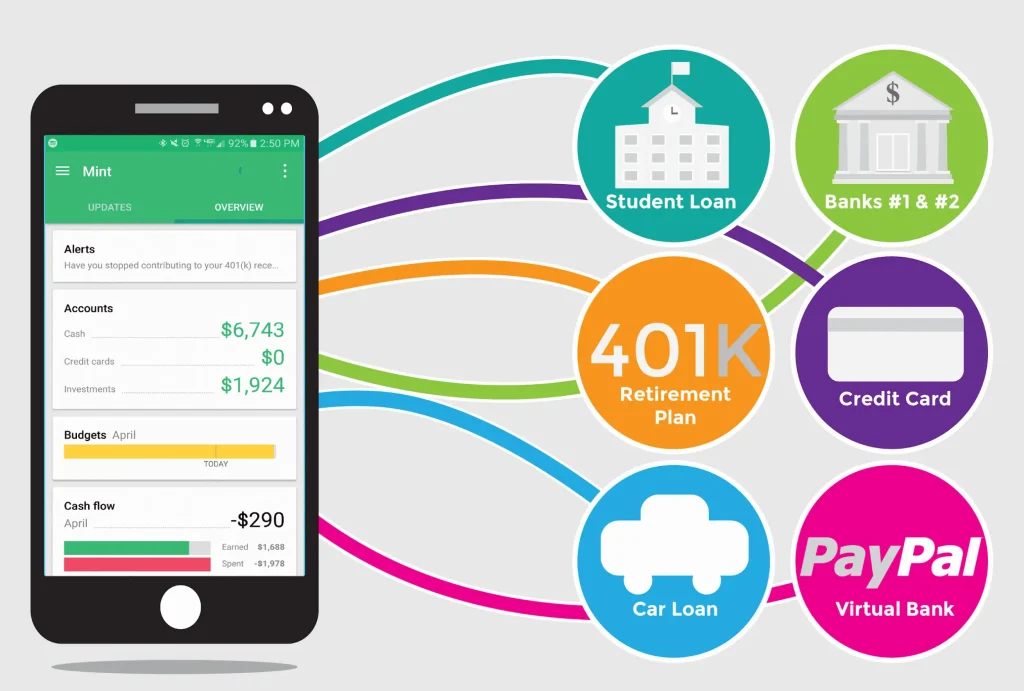
Personal Finance Apps are mobile or desktop applications that help users manage their personal finances efficiently. These apps combine budgeting, expense tracking, savings management, bill reminders, investment monitoring, and financial reports into one easy-to-use platform.
Most finance apps connect directly with bank accounts, credit cards, and digital wallets to automatically record transactions. Others allow users to manually enter income and expenses for greater control.
Their primary purpose is to help users make smarter financial decisions by providing a clear overview of income, spending habits, debts, savings, and investments. Many modern apps also use artificial intelligence to analyze spending patterns and suggest ways to save money. Whether someone wants to prepare for emergencies, eliminate debt, or simply keep track of monthly expenses, these apps offer practical tools to achieve those goals.
Gameplay Overview?
Although Personal Finance Apps are not traditional games, many include interactive elements that make managing money engaging and enjoyable. Users begin by creating an account, setting financial goals, and adding their income sources, expenses, and bank accounts if supported.
The app automatically categorizes transactions into groups such as food, transportation, shopping, healthcare, entertainment, and utilities. Colorful charts and graphs help users visualize where their money is being spent each month.
Many applications include financial challenges, savings milestones, achievement badges, and progress trackers that motivate users to stay consistent with budgeting. Notifications remind users about upcoming bills, spending limits, and savings targets. Some apps even reward users for completing financial goals, making money management feel more interactive rather than a boring daily task.
Why Users Still Play?
Millions of people continue using Personal Finance Apps because they simplify one of the most important aspects of everyday life—money management. Instead of guessing how much money is left at the end of the month, users receive accurate financial information instantly. One major reason for their popularity is convenience. Everything from budgeting and bill reminders to investment tracking is available within a single application.
Another important factor is financial awareness. Users become more conscious of unnecessary spending after reviewing monthly reports and expense summaries. This often leads to better savings habits and improved financial discipline.
The increasing availability of cloud synchronization also allows users to access their financial information across multiple devices without losing data. Many apps receive regular updates with improved security, new budgeting tools, AI-powered insights, and enhanced user interfaces, keeping the experience fresh and reliable.
Key Features
Smart Budget Planning
Budget planning is one of the strongest features offered by Personal Finance Apps. Users can create monthly or weekly budgets based on their income and expected expenses. Spending limits can be assigned to different categories such as groceries, transportation, entertainment, and utilities. Whenever spending approaches the limit, the app sends alerts to help users stay within budget. This encourages responsible financial habits and reduces unnecessary expenses.
Expense Tracking
Expense tracking helps users monitor every transaction they make. Purchases can be recorded automatically through linked bank accounts or entered manually. Each expense is categorized, making it easier to understand where money is being spent. Weekly and monthly reports provide a complete overview of financial activity, allowing users to identify areas where they can save more effectively.
Savings Goals
Many finance apps include goal-setting tools that encourage consistent saving. Users can create separate goals for vacations, emergency funds, buying a car, or purchasing a home. Progress bars display how close users are to reaching their targets, making saving more motivating. Automatic transfers and reminders also help users stay committed to their financial objectives.
Bill Reminders
Missing payment deadlines can result in penalties and lower credit scores. Finance apps solve this problem by sending reminders before bills become due. Users receive notifications for electricity bills, rent, subscriptions, insurance premiums, loan payments, and credit card balances. This feature helps avoid late fees while improving financial organization.
Financial Reports and Analytics
Detailed reports transform raw financial data into easy-to-read charts and graphs. Users can analyze monthly income, spending trends, savings growth, and category-wise expenses. These visual reports help individuals identify unnecessary spending habits and improve their budgeting strategies. Long-term financial planning becomes much easier with accurate historical data.
Security and Data Protection
Security remains one of the most important aspects of financial applications. Most apps use advanced encryption, biometric authentication, fingerprint login, facial recognition, and two-factor authentication to protect sensitive financial information. Cloud backups ensure that data remains safe even if the device is lost or replaced. Regular security updates further strengthen user protection.
How to Play
Although Personal Finance Apps are designed for financial management rather than entertainment, using them effectively requires following a few simple steps. The better you organize your financial information, the more accurate the insights and recommendations become.
- Download a trusted personal finance app from your device’s app store.
- Create an account using your email address or mobile number.
- Set up a secure password and enable two-factor authentication if available.
- Enter your monthly income and recurring expenses.
- Connect your bank accounts, credit cards, or digital wallets if supported.
- Create a monthly or weekly budget based on your income.
- Categorize your expenses into groups such as food, transportation, shopping, healthcare, and entertainment.
- Record daily expenses manually or allow automatic transaction syncing.
- Set savings goals for future plans like travel, education, or emergencies.
- Review weekly and monthly reports to understand your spending habits.
- Adjust your budget whenever your income or expenses change.
- Continue using the app regularly to build healthy financial habits.
Consistent usage is the key to getting the most value from these applications. Spending just a few minutes each day updating your records can significantly improve your financial awareness.
How to Download
Downloading a finance app is a straightforward process and usually takes only a few minutes. Most popular applications are available for both Android and iOS devices.
- Open the Google Play Store or Apple App Store.
- Search for your preferred finance application.
- Check the ratings, reviews, and developer information.
- Tap the Install or Get button.
- Wait for the application to finish downloading.
- Open the app after installation.
- Create a new account or sign in if you already have one.
- Complete the initial setup process.
- Add your financial information and customize your preferences.
- Start tracking your income, expenses, and savings immediately.
Always download applications from official app stores to reduce security risks and ensure you receive regular updates.
Advantages
Using financial management applications offers numerous benefits for individuals who want better control over their money. Some of the most important advantages include:
- Easy budgeting for daily and monthly expenses.
- Automatic tracking of income and spending.
- Better awareness of financial habits.
- Helps reduce unnecessary expenses.
- Encourages regular saving.
- Sends bill payment reminders.
- Provides detailed financial reports and charts.
- Supports multiple bank accounts in many apps.
- Accessible from smartphones, tablets, and computers.
- Saves time compared to manual bookkeeping.
- Improves financial discipline.
- Helps users achieve long-term financial goals.
- Secure data protection with encryption.
- Cloud backup prevents data loss.
- User-friendly interface suitable for beginners.
These advantages make Personal Finance Apps valuable tools for students, professionals, business owners, and families alike.
Disadvantages
Despite their many benefits, finance apps also have a few limitations that users should consider before relying on them completely.
- Some premium features require paid subscriptions.
- Not every app supports all banks or financial institutions.
- Manual expense entry can become time-consuming.
- Internet access may be required for cloud synchronization.
- Security risks exist if users choose weak passwords.
- Advertisements can interrupt the experience in free versions.
- Financial reports depend on accurate data entry.
- Some advanced features may be difficult for beginners.
- Battery consumption may increase with constant background syncing.
- Data migration between different apps is not always simple.
Understanding these disadvantages helps users select the application that best fits their financial needs and expectations.
Disclaimer
This article is intended for informational and educational purposes only. Financial applications can help users organize budgets, monitor expenses, and improve money management, but they do not guarantee financial success or investment profits.
Users should always verify financial information, protect their personal data, and consult qualified financial professionals before making significant financial decisions. Features, pricing, and availability may vary depending on the application, country, and software updates.
My Review
After exploring various budgeting and expense management tools, I believe Personal Finance Apps have become essential for anyone who wants better control over their finances. Their ability to combine budgeting, expense tracking, savings goals, bill reminders, and financial reports into one platform makes money management much more convenient. The biggest strength of these apps is their simplicity. Even users with little financial knowledge can quickly learn how to organize their income and expenses. Interactive charts, automatic transaction categorization, and timely reminders make it easier to understand spending habits and identify opportunities to save more.
Security has also improved significantly in modern finance apps. Features such as biometric login, encrypted data storage, and two-factor authentication provide confidence that sensitive financial information is protected.
However, users should remember that no application can replace responsible financial behavior. These tools provide guidance and organization, but achieving financial stability still depends on disciplined spending, consistent saving, and informed decision-making. Overall, Personal Finance Apps are highly recommended for students, working professionals, freelancers, and families who want a smarter and more organized approach to managing their money.
FAQs
Are Personal Finance Apps safe to use?
Most modern finance apps are designed with strong security features such as data encryption, biometric login, and two-factor authentication. They also follow industry security standards to protect user information. However, users should always download apps from official app stores, create strong passwords, and avoid sharing login credentials with anyone.
Can I use Personal Finance Apps without linking my bank account?
Yes. Many applications allow users to manually enter their income and expenses instead of connecting bank accounts. This option is useful for people who prefer additional privacy or whose banks are not supported by the application. Although manual entry requires more effort, it still provides accurate budgeting and expense tracking.
Are these apps suitable for beginners?
Absolutely. Most finance apps are designed with simple dashboards, step-by-step setup guides, and easy-to-understand charts. Even users with no financial background can quickly learn how to create budgets, monitor expenses, and set savings goals. Many apps also provide helpful tips that encourage better money management habits.
Do I have to pay to use a finance app?
Many finance apps offer free versions that include essential features such as budgeting, expense tracking, and financial reports. Some applications also provide premium subscriptions with advanced tools like investment tracking, personalized financial insights, cloud synchronization, and detailed analytics. Users can choose the version that best fits their needs and budget.
Can Personal Finance Apps help me save money?
Yes. By tracking daily spending and highlighting unnecessary expenses, these apps make users more aware of their financial habits. Budget limits, savings goals, and spending alerts encourage smarter decisions, making it easier to reduce wasteful spending and build long-term savings.
Which people benefit the most from these apps?
Personal finance applications are useful for almost everyone. Students can manage educational expenses, working professionals can organize monthly budgets, freelancers can track irregular income, families can monitor household spending, and retirees can manage savings more efficiently. Their flexibility makes them valuable for users with different financial situations.
Conclusion
Managing money wisely has become more important than ever, and digital tools have made this task much simpler. From budgeting and expense tracking to savings goals and bill reminders, Personal Finance Apps provide practical solutions that help users take control of their financial lives. Their user-friendly interfaces, detailed reports, and automated features make financial management more organized and less stressful. Although every application offers different features, the core purpose remains the same: helping users understand their spending habits, improve budgeting, and achieve financial goals.
Regular use can lead to healthier financial decisions, increased savings, and better long-term planning. While no app can replace responsible financial discipline, these tools serve as reliable assistants for managing everyday finances. By choosing a trusted application and using it consistently, individuals can build stronger financial habits and reduce unnecessary expenses over time.
Whether you are a student managing a limited budget, a professional planning monthly expenses, or a family working toward future financial security, Personal Finance Apps offer valuable support for smarter money management. With continuous improvements in technology and security, they are expected to remain an essential part of modern personal finance for years to come.